Best Casino in Tasmania: Wrest Point vs Country Club
 Available in AU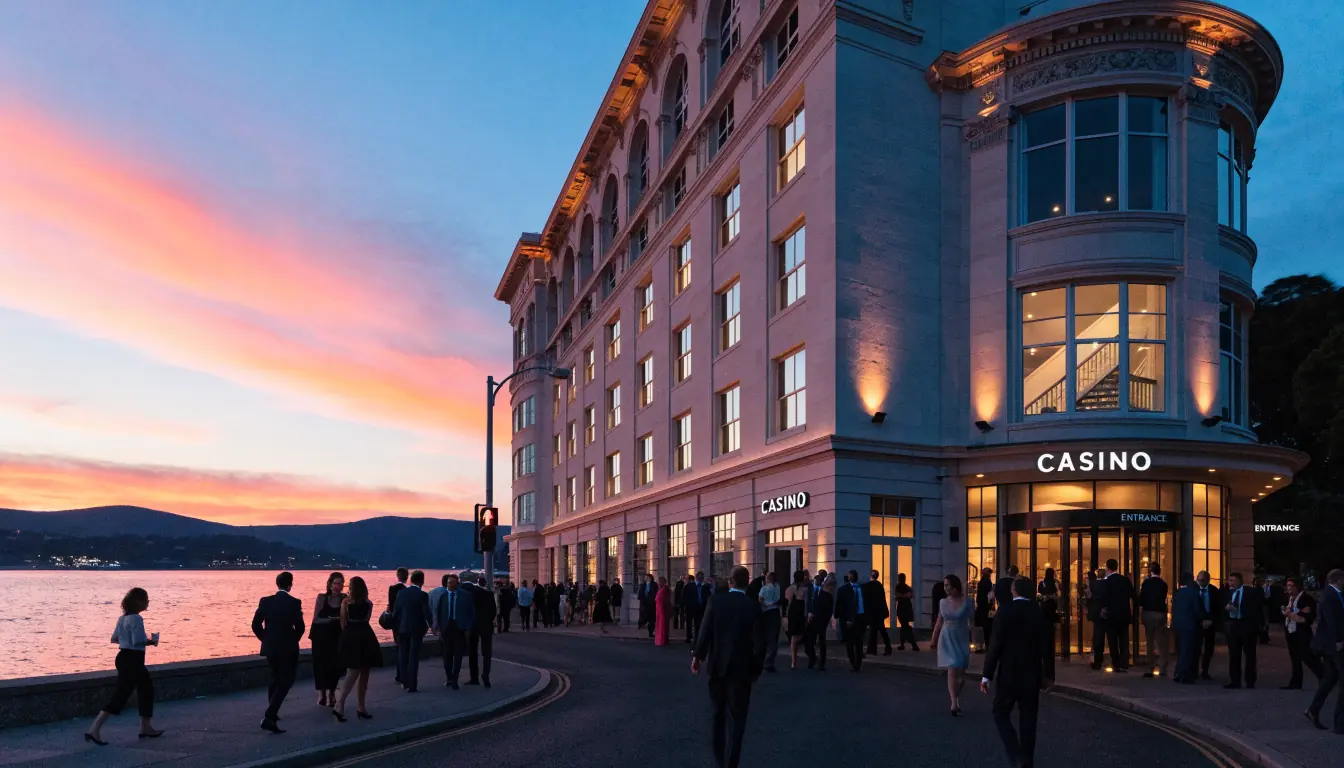
- Casino Hotels in Tasmania: What to Expect
- Casino Gaming Areas and Poker Rooms
- Parking and Accessibility at Tasmanian Casinos
- Nearby Accommodation Options for Casino Visitors
- Contact Information and Licensing Details
- Dining, Buffets, and Employment Opportunities
- Casino Operations, Development, and Employment Trends
- Restaurant Choices Within and Around Casinos
- Wellness and Spa Services at Tasmanian Casinos
- Food Courts and Pool Areas
Casino Hotels in Tasmania: What to Expect
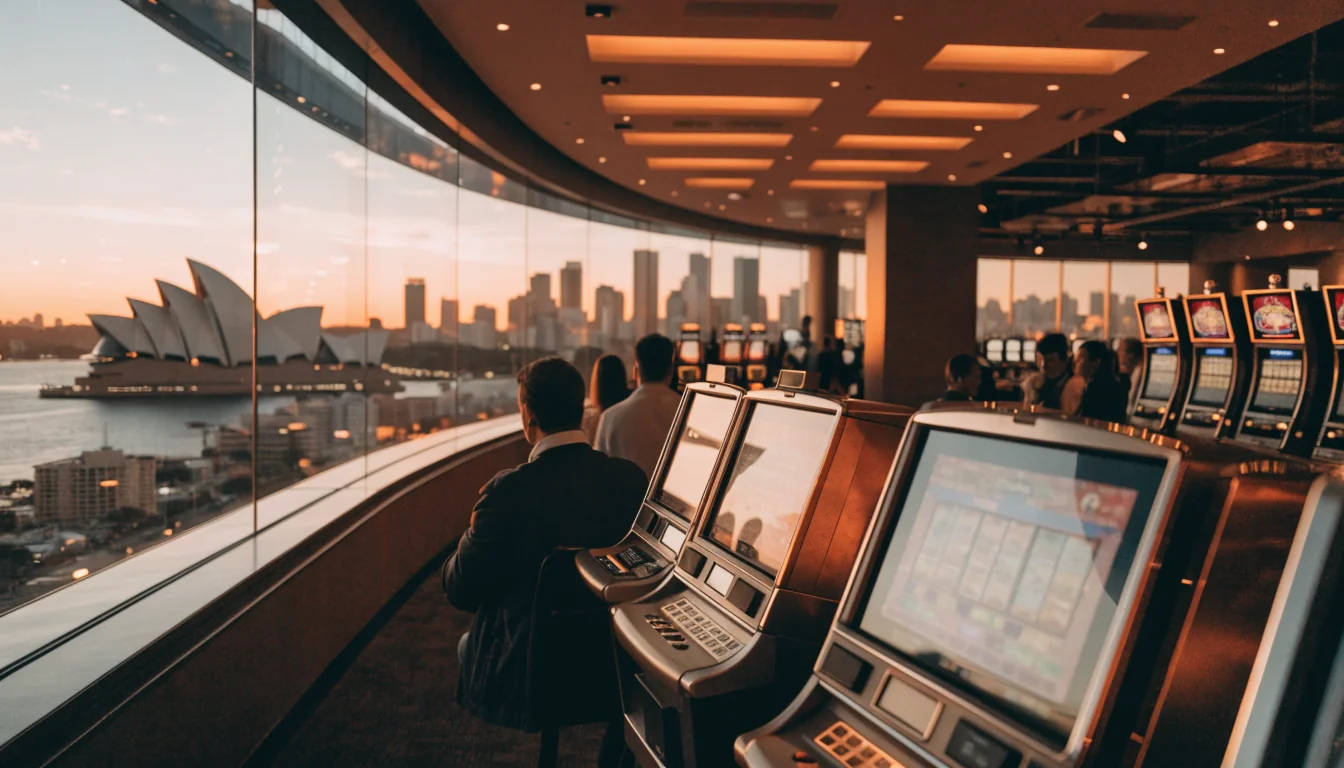
Tasmania’s casino market is small and, in some ways, that works in the visitor’s favour. The state has two licensed casino properties — Wrest Point in Hobart and Country Club Tasmania in Launceston — and both are built around a hotel. That is not a coincidence of architecture; it is the business model. A casino in a regional market does not survive on local table-game traffic alone. It survives on people who stay the night, eat at the restaurants, and treat the gaming floor as one part of a longer trip.
I have spent enough time around these properties to know how the arrangement looks from the operator’s side. The hotel is not an amenity bolted onto the casino. It is the anchor tenant, and everything else on site is priced and scheduled around keeping rooms occupied.
What "attached" actually means here
When a hotel sits on the same property as the casino, the practical differences from independent lodging show up quickly:
- No transit between the floor and your room. In Tasmania, where evening weather can turn a short walk into a miserable one, this matters more than it would in a capital city. You finish playing, you take a lift, you are done.
- Extended service hours. Casino precincts run later than standalone hotels. Front desk staffing, room service windows and late-night food options follow the casino’s rhythm rather than a conventional hotel’s. Opening hours change with seasons and local events, so checking current times directly with the property before a late arrival is the reliable approach — operators adjust these schedules and do not always flag it prominently on booking sites.
- Package pricing tied to the complex. Accommodation deals at casino hotels are frequently bundled with dining credit or other on-site spend. This is deliberate: the room rate is used as a lever to pull visitors into the wider property where the real revenue sits.
Choosing where to play in Tasmania means weighing licensing, bonus terms and payout speed before you sign up, so here’s a quick rundown to help you compare options at a glance.
License: Curacao Gaming Control Board OGL/2023/174/0082 (Dama N.V.) · Bonus: up to A$5,000 + 300 free spins across 4 deposits Holds a Curacao Gaming Control Board licence under Dama N.V. and offers a welcome package worth up to A$5,000 plus 300 free spins spread across four deposits.
License: Curacao – Antillephone N.V. (Versus Odds B.V.) · Bonus: up to EUR 2,000 across 5 deposits + 200 free spins · Min. deposit: EUR 20 Licensed in Curacao under Antillephone N.V. via Versus Odds B.V., with a five-deposit welcome bonus worth up to EUR 2,000 and 200 free spins, requiring a EUR 20 minimum deposit.
License: Curacao eGaming (Dama N.V.) · Bonus: up to A$10,000 + 180 free spins, 40x wagering Operates under a Curacao eGaming licence held by Dama N.V. and offers up to A$10,000 plus 180 free spins, with a 40x wagering requirement attached.
Bonus: up to A$7,500 + 550 free spins across 10 deposits, 50x wagering · Payout speed: crypto under 1 hour, PayID 1-3 business days · Min. deposit: A$20 (A$30 to qualify for the bonus) Stands out for fast payouts, with crypto withdrawals under an hour and PayID processed within 1-3 business days, backed by a ten-deposit bonus of up to A$7,500 plus 550 free spins and 50x wagering.
License: Curacao Gaming Authority (Jumpman Gaming Ltd) · Bonus: up to A$6,600 + up to 250 free spins across 4 deposits Licensed via the Curacao Gaming Authority under Jumpman Gaming Ltd, offering up to A$6,600 and up to 250 free spins across four deposits.
License: Curacao eGaming (Roby Games Ltd) · Bonus: 100% up to A$750 + 200 free spins Holds a Curacao eGaming licence under Roby Games Ltd and offers a 100% match bonus up to A$750 plus 200 free spins.
Bonus: 240% up to A$4,100 + 300 free spins Offers a notably high bonus percentage, with 240% up to A$4,100 plus 300 free spins for new players.
License: international iGaming licence – jurisdiction not named in the source · Bonus: 100% up to A$1,000 + 100 free spins, 35x wagering · Payout speed: PayID 1-24 hours · Min. deposit: A$30 (PayID from A$10) Operates under an international iGaming licence and offers a 100% bonus up to A$1,000 with 100 free spins and 35x wagering, plus fast PayID withdrawals processed within 1-24 hours from a A$30 minimum deposit.
License: Curacao eGaming (Hollycorn N.V., since 2017) · Bonus: 225% up to A$1,540 + 600 free spins across 4 deposits, 20x wagering · Min. deposit: A$20-30 (depends on the offer) Licensed by Curacao eGaming under long-standing operator Hollycorn N.V., offering a 225% bonus up to A$1,540 with 600 free spins across four deposits and a comparatively low 20x wagering requirement.
License: Curacao Gaming Control Board · Bonus: up to A$5,000 + 400 free spins Licensed under the Curacao Gaming Control Board, offering a welcome bonus of up to A$5,000 plus 400 free spins.
That last point deserves a plain word. A "deal" on a casino hotel room is rarely charity. The operator is comfortable discounting the room because the complex earns it back elsewhere on site. That does not make the package a bad buy — a diner who would have eaten at the hotel restaurant anyway comes out ahead — but it explains why casino hotel pricing can undercut nearby independent hotels and still make commercial sense.
How casino hotels differ from independent lodging
An independent hotel in Hobart or Launceston competes on rooms, location and breakfast reviews. A casino hotel competes on the whole precinct. The differences a visitor actually notices:
- Scale of on-site facilities. Casino properties carry restaurants, bars, function spaces and entertainment venues that independent hotels of similar room counts would never justify. The fixed cost of the gaming operation subsidises them.
- Identity verification is stricter. Casino complexes enforce age limits with government-issued ID, because the minimum age to access casino offers is 18 years. A boutique hotel does not check ID at the door in the same way; a casino hotel does, at least for entry to gaming areas.
- A different guest mix. Casino hotels host conference delegates, tour groups, event-goers and gamblers in the same building. An independent property filters for one type of traveller. Neither is better; they are simply different products.
Tasmania’s broader gambling context
Gambling in Australia is a mainstream activity, not a fringe one. In 2022, 72.8% of Australian adults had gambled in the previous twelve months. In that environment, a casino hotel in Tasmania is not a niche destination — it is competing with pubs, clubs with pokies, and sports betting for the same entertainment dollar. The hotel-and-casino combination is the industry’s answer to that competition: bundle the gambling with an experience a TAB terminal cannot offer.
That is also why on-site hotel rooms at casino properties fill fastest around events — concerts, conferences, holiday weekends. The gaming floor does not need a full house to operate, but the hotel’s margins do, and management prices accordingly.
Practical notes for booking
A few things worth knowing before reserving:
- Book the on-site hotel directly for event weekends. Third-party platforms are slower to reflect the room blocks that casino complexes hold back for function bookings.
- Read what a package actually includes. Dining credit attached to a room rate is only a saving if the included venues are ones you would use. If the credit applies to restaurants you have no interest in, the “deal” is a nudge, not a discount.
- Confirm hours before late arrival. Reception, gaming floor and food service hours at Tasmanian casinos shift with the season. The property’s own channels are the accurate source; aggregator listings lag behind.
- Expect ID checks. Anyone who looks close to the age threshold should carry identification, and all guests accessing gaming areas must be 18 or older.
The honest summary
A casino hotel in Tasmania is a mid-scale hotel with unusually good on-site amenities, priced to draw visitors into a broader entertainment precinct. For a traveller who wants dinner, a show, a flutter on the pokies and a short walk to bed, it is a genuinely convenient product. For a traveller who wants boutique character or a quiet room far from the noise, an independent property is the better fit — and that comparison is covered in its own section elsewhere on this page.
The room is the bait. The precinct is the business. Knowing that makes the pricing easier to read.
Casino Gaming Areas and Poker Rooms
The gaming floor is the part of a Tasmanian casino that changes least and matters most. Hotels get renovated, restaurants rebrand, but the layout of the floor — the pokies banks, the table games pit, the poker room tucked somewhere past the main floor — follows a logic that has barely moved in decades. I’ve spent enough time on both sides of that layout to explain how it actually works.
Australians lost $31.5 billion gambling in 2022–23, and between 80,000 and 160,000 adults experience significant gambling problems. Visitors should be aware of the financial and wellbeing risks before spending time on the gaming floor.
How the floor is organised
Tasmanian gaming floors follow the standard Australian pattern. Pokie banks cluster in the interior, arranged in loops that keep players circulating without ever presenting a clear exit line. Table games — blackjack, roulette — sit toward the centre, where the noise and movement pull people in. The poker room, where one exists, is deliberately quieter: set back from the main floor, with lower ceilings and softer lighting, because poker players stay for hours and don’t need the sensory pressure that pokies respond to.
Sports bars attached to the gaming area are the third zone, and they’re not an afterthought. A sports bar does two jobs for the casino: it holds the TAB-style betting crowd, and it acts as a holding pen for companions who have no interest in the tables. From the operator’s side, that second function is the profitable one. People who came "just for a drink" convert to the floor at a respectable rate once the game finishes.
Poker rooms and tournaments
Live poker in Tasmania runs on cash games and scheduled tournament nights. Tournament play is the draw — it puts bums on seats on weeknights when the cash tables would otherwise sit half-empty. Anyone searching for tournament details should expect to find them through the venue directly rather than through consistent published schedules, because poker rooms adjust their calendars based on turnout, and what ran last quarter may not run now.
What I can state with certainty is the regulatory boundary. Online poker is prohibited federally under the Interactive Gambling Act 2001 — the same law that bans online casino games and in-play betting. There are no domestically licensed real-money online poker operators available to Australian players. Anyone advertising an Australian-licensed online poker room is advertising something that cannot legally exist. Live, in-venue poker at the table is a different matter entirely and operates under Tasmania’s land-based licensing arrangements.
Online Poker Prohibition
Online poker is prohibited under the Interactive Gambling Act 2001 and no domestic licence exists for it. Any site claiming to offer a legal Australian‑licensed online poker service is operating outside the law.
Checking whether a casino is open
"is it open now" is a reasonable question with an unsatisfying answer: opening hours for gaming areas and poker rooms are set by each venue and shift with seasons, tournament schedules and staffing. The reliable method is the venue’s own phone line or website on the day. Third-party listing sites carry stale hours more often than anyone would like to admit — I’ve watched people plan an evening around hours that were two years out of date. Call ahead. Every time.
What the floor doesn’t tell you
A few things worth knowing that the ambient music and the carpet pattern are designed to obscure:
- The gaming floor runs on loyalty programs. Membership cards track play and drive the comps. Sign-up is free at the desk; whether the comps are worth handing over your data for is a separate question.
- Cash games have floors, not ceilings. Table minimums are posted; maximums are negotiable at the higher-stakes end.
- The sports bar closes earlier than the floor, as a rule. Betting crowds peak around scheduled matches, then leave.
And the fact that belongs in any honest discussion of gaming floors: Australians lost $31.5 billion gambling in 2022–23, and somewhere between 80,000 and 160,000 adults experience significant gambling problems. The floor is engineered by people who understand that arithmetic very well. Free, confidential support is available at GamblingHelpOnline.org.au or on 1800 858 858.
Who the floor suits
The gaming floor suits visitors who want table interaction — dealers, other players, a structured game. Poker rooms suit the patient. Pokies suit nobody in particular, which is precisely the point of their design. Knowing which of those categories you fall into before you walk in is the single most useful piece of preparation the venue will never offer you.
The floor is a machine. Well-built, well-staffed, and built for the house.
Parking and Accessibility at Tasmanian Casinos
Parking is the unglamorous part of the casino business that quietly shapes how the whole venue performs. I’ve watched a property with a mediocre gaming floor outperform a better one purely because getting in and out of it was painless. In Tasmania, where visitors are often driving themselves between Hobart and Launceston rather than relying on dense public transport, this matters more than it does in Sydney or Melbourne.
What on-site parking actually looks like
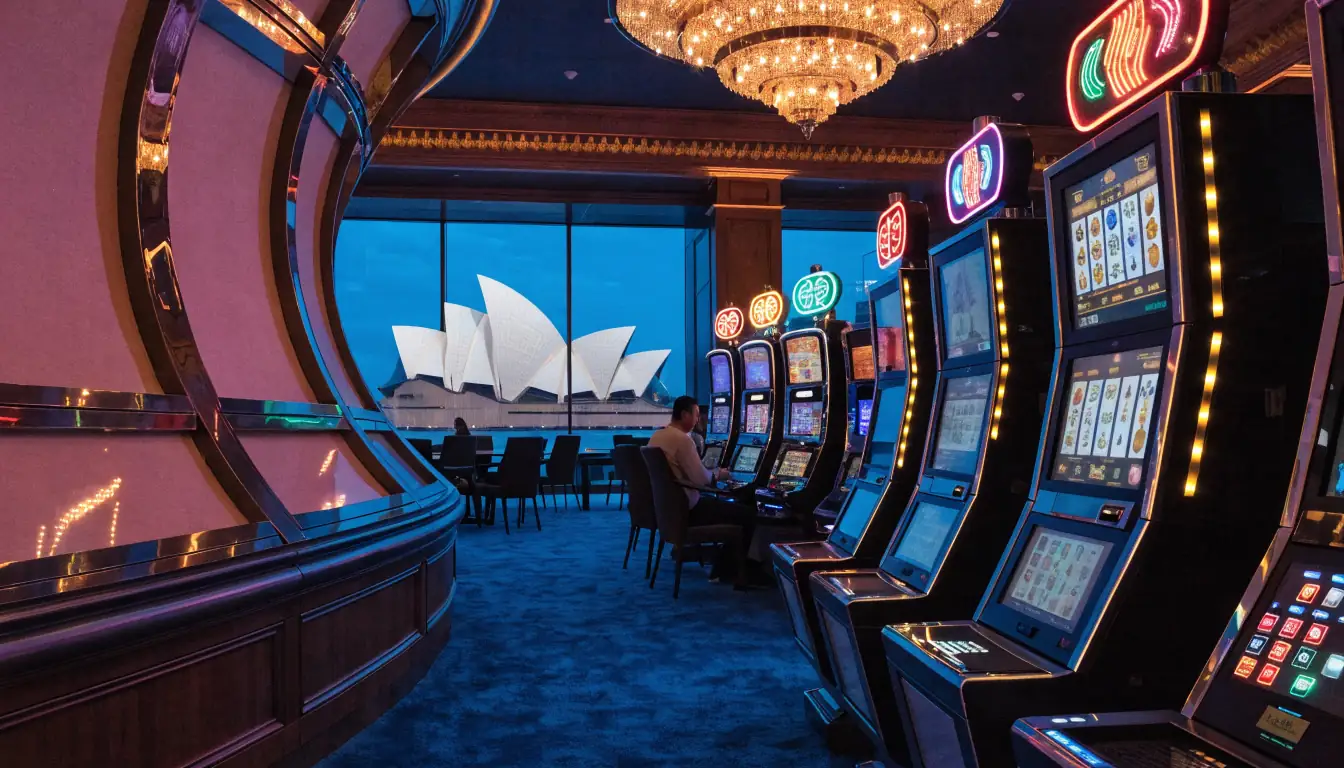
Both of Tasmania’s casino complexes — the waterfront property in Hobart and the golf-and-gaming estate near Launceston — were built in an era when arriving by car was the default. That shows in the parking provision. These are complexes designed with substantial on-site car parking as part of the original site plan, not as an afterthought bolted on later. Visitors driving in from the city centres or from further afield generally find parking on the casino’s own grounds rather than hunting for street spaces or paid council lots.
Whether any of it is billed as "free" is a different question. The word "free" in casino marketing tends to carry conditions — validated parking tied to membership tiers, spend thresholds, or time limits that nobody reads until the boom gate refuses to lift. If a visit hinges on parking being free, the honest move is to confirm the current arrangements directly with the venue before arriving, because operators revise these terms without much publicity. I’d treat any parking arrangement older than a few months as unverified.
Valet parking
Valet service is the standard upsell at larger Australian casino complexes, and Tasmania is no exception in kind, if not always in scale. What I can’t honestly tell you is what it currently costs at either Tasmanian venue, or the exact hours it runs — the operators don’t publish those details consistently, and quoting a figure from memory would be manufacturing a number. What I can say from experience is how to think about it: valet at a casino is priced for people mid-session who don’t want to break stride, not for the cost-conscious driver. If budget matters, self-park and walk.
Public transport
Hobart’s casino sits close enough to the city’s bus network that a car is genuinely optional; Launceston’s property is more of a destination in its own right, set within grounds rather than on a busy corridor, which makes driving the practical choice. Metropolitan bus services in Tasmania are administered by the state government, and timetables change with seasons and demand far more than a visitor would expect — checking the current Metro Tasmania schedules before planning a car-free trip is not optional diligence, it’s basic sense.
The term “free” parking at Tasmanian casino venues often comes with conditions such as validation, spend thresholds or time limits. Always confirm the current parking arrangements directly with the venue before arriving.
Accessibility
Physical access at a licensed casino venue in Australia is governed by disability discrimination law at the Commonwealth level, which sets a floor beneath state regulation. In practice this means step-free entrances, accessible bathrooms, and designated parking bays near entrances are a legal requirement rather than a courtesy. What the law doesn’t uniformly mandate is the finer grain: lift placement relative to the gaming floor, hearing loops at cashier desks, or staff training for assisting patrons with mobility aids. Those vary by operator and by building age, and Tasmania’s casino buildings are not new.
One structural point worth keeping in mind: gambling in Australia is regulated at both state/territory and federal levels, with no single overarching authority. Parking, transport and building access sit mostly outside that regulatory conversation entirely — they fall under ordinary planning, transport and disability-access frameworks. A casino’s licence tells you nothing about its car park. Check those things as you would for any venue.
A note on "online" versions of the question
Searches for a "Tasmania online casino" run into a hard wall: online casino-style games — pokies, poker, roulette, blackjack — are prohibited federally under the Interactive Gambling Act 2001, and no domestic licence for that kind of operation exists. There is nothing to drive to and nothing to park at. The land-based complexes in Hobart and Launceston are the whole of it.
Arrive by car, confirm the parking terms, and the rest of the visit sorts itself out.
Nearby Accommodation Options for Casino Visitors
Not everyone who visits a casino wants to sleep in it. That distinction matters more than most travel write-ups admit, because Tasmania’s accommodation market outside the casino-attached hotels has a texture of its own, and it serves a different kind of visitor: the one who plans a trip around the island and treats the gaming floor as one stop among several, not the whole reason for booking.
I’ve booked both ways — a room inside the casino complex on one trip, and a cottage a short drive away on another — and the differences in cost, flexibility and atmosphere are more pronounced than the brochures suggest.
Bed and Breakfasts
The B&B segment in Tasmania is unusually strong for a market this size. Hosted B&Bs around Hobart and Launceston — the two cities where the state’s casino action is concentrated — tend to be heritage properties, often converted colonial homes run by owner-operators who live on site. What that means in practice:
- Breakfast is included and cooked, not a buffet card left out overnight.
- Check-in is by arrangement, not a 24-hour desk — arriving at odd hours requires a phone call ahead.
- The trade-off is real: a late session at the tables followed by an early, chatty breakfast does not suit everyone.
For a visitor whose casino stop is one evening of a longer holiday, that trade-off usually works. For someone whose plan is gaming until late, it doesn’t.
Short-Term Rentals
Self-contained cottages, apartments and holiday houses sit somewhere between the B&B and the hotel. The appeal is straightforward: private space, a kitchen, and no interaction with anyone at the end of the night. Around the casino cities, these range from converted warehouses to waterfront apartments, and they dominate the platforms that aggregate short-stay listings.
Two things worth knowing from experience. First, cleaning fees and minimum-stay rules can make a one-night booking uneconomical — a short casino weekend often works out better across two or three nights. Second, parking is frequently on-street or in a shared driveway, which matters if the plan involves driving to the casino rather than walking.
Motels and Motor Inns
The old Australian motor inn is not glamorous, and that’s precisely its function for casino visitors. A clean room, off-street parking, and a bed — no resort facilities, no breakfast theatre, no spa. What the motor inn does offer is late-arriving-friendly access in many cases and rates that make a second night painless to justify. For a visitor who has budgeted a gaming spend, keeping the accommodation line lean is a deliberate choice, not a compromise.
For context on why that discipline matters: national gambling losses came to $31.5 billion in 2022–23, and per-capita losses ran to AUD 1,200 in FY 2020–2021. Accommodation is one of the few trip costs a visitor fully controls before walking onto the floor.
Hostels and Budget Beds
Backpacker hostels exist in both casino cities, and a private room in one is often the cheapest legitimate bed within reach of the gaming floor. The audience is narrower — younger travellers, longer trips, flexible hours — but the category belongs in any honest survey of the market.
How These Options Complement the Casino
The casino-attached hotel sells convenience and continuity: room to restaurant to table without going outside. The independent sector sells everything else — space, kitchens, character, price flexibility, and distance. Distance is underrated. A visitor who has to drive or ride back to a B&B across town has built a natural stopping point into the evening, something a hotel corridor two lifts from the pokies deliberately does not provide.
There is no ranking among these options because no verified data exists comparing their value against the casino hotels; anyone publishing one is estimating. What can be said is structural: the hosted and self-contained sectors around both casino cities are broad enough that a visitor who declines the on-site hotel is not settling for scraps. They’re choosing a different shape of trip.
The quietest advantage: a checkout that happens on your schedule, not the property’s.
Contact Information and Licensing Details
Practical details first, promotion later. That is the order this section follows, because a casino’s marketing pages and its official contact channels rarely tell the same story.
Where the Official Details Actually Live
Every licensed casino venue in Australia publishes its own contact details — phone lines, street addresses, enquiry email forms — on its corporate website, separate from the entertainment pages. I have always treated the corporate or "about us" section as the reliable one. The glossy pages sell show tickets and function rooms; the corporate pages carry the licence numbers and the registered business details that hold up when something goes wrong.
The same logic applies to finding a casino on the map. Search the venue’s official name rather than a generic phrase, because there are only a small number of licensed casino premises in Tasmania to begin with, and third-party map listings go stale faster than the operators update them.
What One Phone Call Can Settle
A venue’s main switchboard is still the most efficient tool for practical planning. One call can confirm:
- current opening hours for the gaming floor and the casino bar;
- whether an upcoming concert or function has changed the usual access arrangements;
- the status of the car park on the night you intend to visit;
- dress code and identification requirements at the door.
That last point deserves emphasis: the minimum legal gambling age in Australia is 18, and casino security check government-issued ID without exception. Carrying photo identification avoids a conversation at the entrance nobody enjoys.
The Licensing Picture
Here is the part most visitors never see. There is no single overarching statute or single overarching gambling authority regulating gambling in Australia — regulation happens at both the state/territory and federal levels. A land-based casino in Tasmania operates under state-level licensing, while online gambling falls to federal law.
That federal law is the Interactive Gambling Act 2001, the primary Commonwealth legislation governing online gambling in Australia, introduced to protect the public with a focus on harm minimisation. One point of confusion is worth naming directly: some sources cite an Interactive Gambling Act 1997 as the law prohibiting provision of online casino games to Australian residents, while others cite the 2001 Act. The sources diverge on the date; the 2001 Act is the one the federal regulator — the Australian Communications and Media Authority (ACMA) — enforces.
Two further facts frame the market honestly. Online casino-style games, including pokies, poker, blackjack and roulette, are prohibited under the Interactive Gambling Act 2001, and it is not possible to obtain a licence to operate an online casino domestically. It is not illegal for individual Australians to play at offshore-licensed online casinos; the law targets operators, not players. That distinction matters when a website claims to be "licensed for Australia" — no domestic online casino licence exists to hold.
One Tax Fact Worth Remembering
Gambling winnings are not taxed in Australia. A win at the baccarat table or a craps game in a licensed venue is not treated as income. What players do with those winnings afterwards is a matter for their accountant, but the win itself carries no tax obligation — a point worth knowing before any "we handle your taxes" pitch lands in your inbox.
Responsible Gambling Channels
For anyone whose gambling has stopped being entertainment, the national telephone counselling line is 1800 858 858, and GamblingHelpOnline.org.au provides free, confidential support. Operators are required to display responsible-gambling information on-site; a venue that hides it is telling you something.
Licence numbers belong on display. Contact details belong to the operator’s corporate record. Promotion belongs to the flyers. Keep those three apart and the practical picture stays clear.

Dining, Buffets, and Employment Opportunities
The buffet is the part of a casino complex that most visitors underestimate — and the part management watches closely. I’ve spent enough time behind the scenes of hospitality operations to know that a buffet isn’t just a breakfast solution; it’s a device for keeping people on the premises. Free or discounted buffet access is one of the most common perks inside a casino rewards structure, and it exists for a reason: a guest who eats upstairs doesn’t leave the building, and a guest who doesn’t leave the building tends to drift back to the floor.
What the Buffet Actually Does
At Tasmania’s casino resorts, the buffet breakfast is the anchor service. It serves hotel guests first, but rewards members are typically folded into the same offer — earn points on the gaming floor, redeem them at the buffet. From the operator’s side, the economics are straightforward: food comps cost less than the additional play they encourage. That’s not a criticism; it’s the mechanic. Knowing it changes how the offer reads. A "complimentary" breakfast is rarely complimentary in any meaningful sense. It’s priced in.

The buffet itself covers the standard territory — hot breakfast items, pastries, fruit, a carvery or hot line at other meal times. I won’t quote prices or menus here, because those change and the operators don’t publish stable figures. What stays constant is the structure: buffet for volume and convenience, à la carte venues for margin, casual grab-and-go for the gaps. That layering is deliberate, and it repeats across casino properties in the state because it works.
The Food-Service Jobs Behind It
A buffet of that scale is one of the largest single employers in the complex. The kitchen behind it runs on a fairly rigid hierarchy:
- Chefs and cooks — the largest group, split between banquet prep and live buffet service
- Kitchen hands and stewards — high turnover, often the entry point into the industry
- Food and beverage attendants — front-of-house staff replenishing the buffet line and clearing tables
- Baristas and bar staff — attached to the broader venue, not the buffet alone
- Supervisors and duty managers — coordinating between kitchen, floor, and hotel
What distinguishes casino food-service work from a standalone restaurant is the licensing environment. Everyone on the floor — including waitstaff in the gaming-adjacent dining areas — works under responsible-service obligations tied to the venue’s liquor and gaming licences. Hospitality experience transfers, but the compliance layer doesn’t exist in a suburban café, and it’s the part new hires trip over most often.
The pay structure also differs in ways job ads don’t always make obvious. Venue-wide roles are usually covered by hospitality industry awards, and the peaks align with gaming hours, not meal times. A buffet cook’s busiest stretch can be late, not noon. Anyone comparing a casino job listing against a restaurant one should factor that in.
A Note Worth Including
Working in food service inside a casino means regular proximity to gambling, and proximity normalises. The industry’s own numbers put roughly 80,000–160,000 Australian adults in the range of significant gambling problems. Buffet staff see the regulars daily — the same faces, the same table, the comp earned the night before. Venues train staff on the gaming side of this; whether the kitchen hears the same training varies. That gap is real.
Food service in a casino complex is steady work in a state with a thin hospitality job market, and the buffet is its engine. Just read the structure, not the brochure.
Casino Operations, Development, and Employment Trends
Tasmania’s casino sector is small by mainland standards, and that smallness shapes everything about how it operates, develops, and staffs itself. I’ve watched regional casino properties work through quiet periods and expansion cycles, and the pattern is consistent: the gaming floor is the anchor, but the payroll is carried by everything around it.
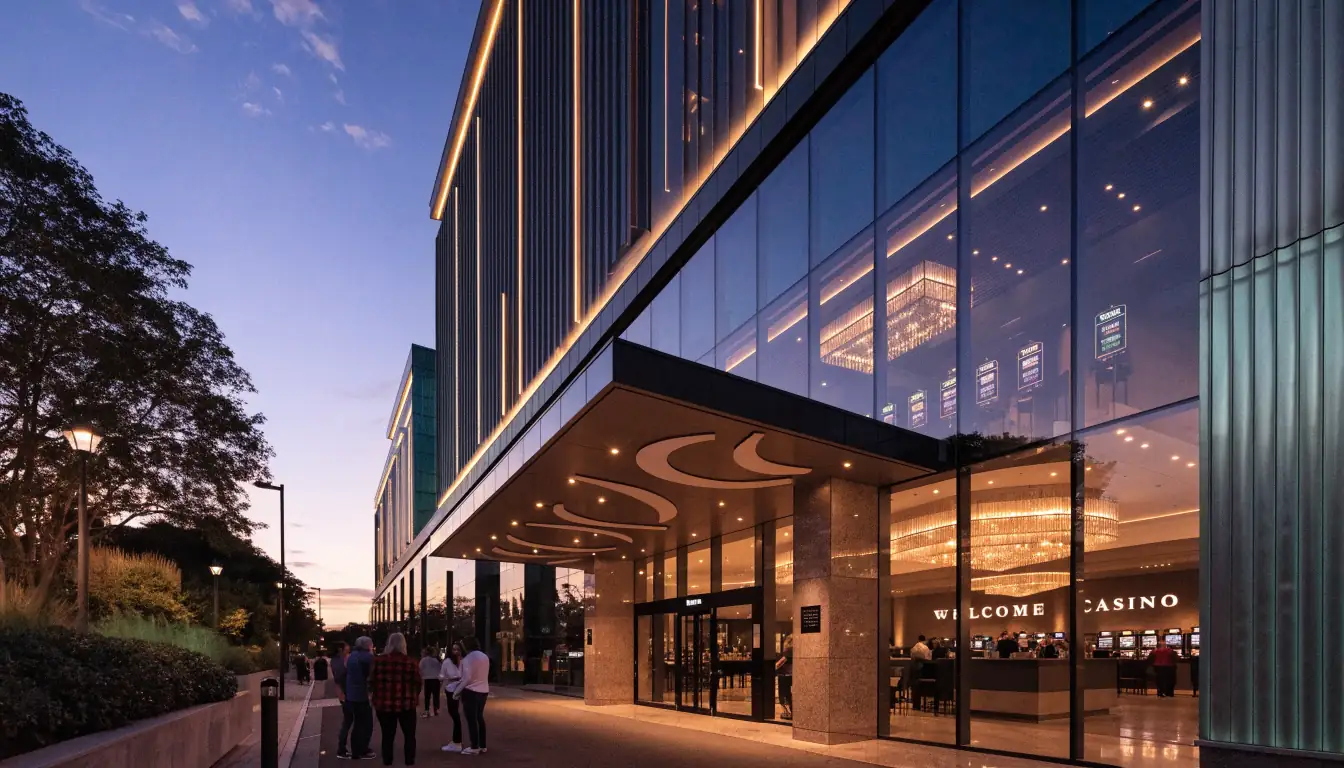
How operations actually run
A Tasmanian casino floor doesn’t run on dealers alone. Gaming staff are the visible layer; behind them are compliance officers, surveillance operators, cash handlers, maintenance crews, and a licensing apparatus that reports to state regulators under a regulatory structure that has no single national equivalent. There is no one overarching Australian gambling authority — regulation splits between the Commonwealth, through the Australian Communications and Media Authority enforcing the Interactive Gambling Act 2001 for online gambling, and the states and territories, which license land-based operations. For a venue operator in Tasmania, that means the physical licence and the online restrictions are two separate conversations, and only one of them can end in a live product.
That asymmetry matters for development planning. A land-based operator can invest in refurbishment, entertainment scheduling, and event programming. What it cannot do is obtain a domestic licence to offer online casino games — slots, poker, blackjack, roulette — to Australian residents. No such licence exists to be applied for. So when people ask whether a Tasmanian casino will "go online," the honest answer is that the law forecloses it, not that the operator is holding back.
Where the money sits
Two figures frame the industry’s economic weight. Gambling revenue accounted for 7.7% of state and territory taxation revenue in 2015–16 — a share that explains why governments treat casino licences as strategic assets rather than ordinary business permits. And on the investment side, Australia’s 20 largest superannuation funds held over A$14.8 billion in publicly listed igaming companies by mid-2026. Ordinary workers’ retirement savings are, in aggregate, exposed to the sector’s fortunes. Casinos don’t advertise that fact on their careers pages. It sits in fund disclosures instead.
Revenue Strategy
Casino hotels combine accommodation and gambling to create a self‑reinforcing revenue model that drives both room occupancy and floor play.
Employment beyond the floor
Casino employment in a market this size is less about headcount on tables and more about breadth of roles. A single complex hires across gaming, hospitality, security, maintenance, marketing, and administration — which makes it a genuine regional employer, not just a gambling venue. Career paths tend to be internal: floor staff move into supervision, food service staff move into venue management. The previous section covered food-service roles specifically, so I’ll leave that lane alone here. What belongs in this section is the structural point: casino jobs are relatively stable, licence-dependent positions, and when a licence is renegotiated, employment conditions move with it.
Entertainment and events as strategy
Event programming is where development pressure actually shows up. Live entertainment, functions, and seasonal scheduling are how a regional casino smooths out the volatility that gaming revenue alone would impose. Opening hours, refurbishment timing, and entertainment calendars are set against licence cycles and tourism patterns — operational decisions that look mundane from the outside but are the main levers management actually controls.
The rest is fixed by law.
A note on what isn’t published: operators don’t release forward development schedules or staffing projections in any form a reviewer can verify. Any claim about a specific reopening date or expansion timeline beyond an operator’s own announcements would be guesswork dressed as news.
Restaurant Choices Within and Around Casinos
A casino floor runs on one idea: keep people in the building. I’ve watched that logic shape food offerings from the inside, and it explains almost every dining decision a casino makes — including the ones that look odd at first.
Inside the complex
The restaurant mix inside a Tasmanian casino complex typically follows a deliberate layering. At the top there is a signature or fine-dining venue, the one that gets photographed and put in the brochure. Its job is not primarily to feed gamblers; it is to give the complex a reason to appear in a "where to eat" conversation that would otherwise skip the casino entirely. Bookings there often come from locals celebrating anniversaries, not from anyone at the tables.
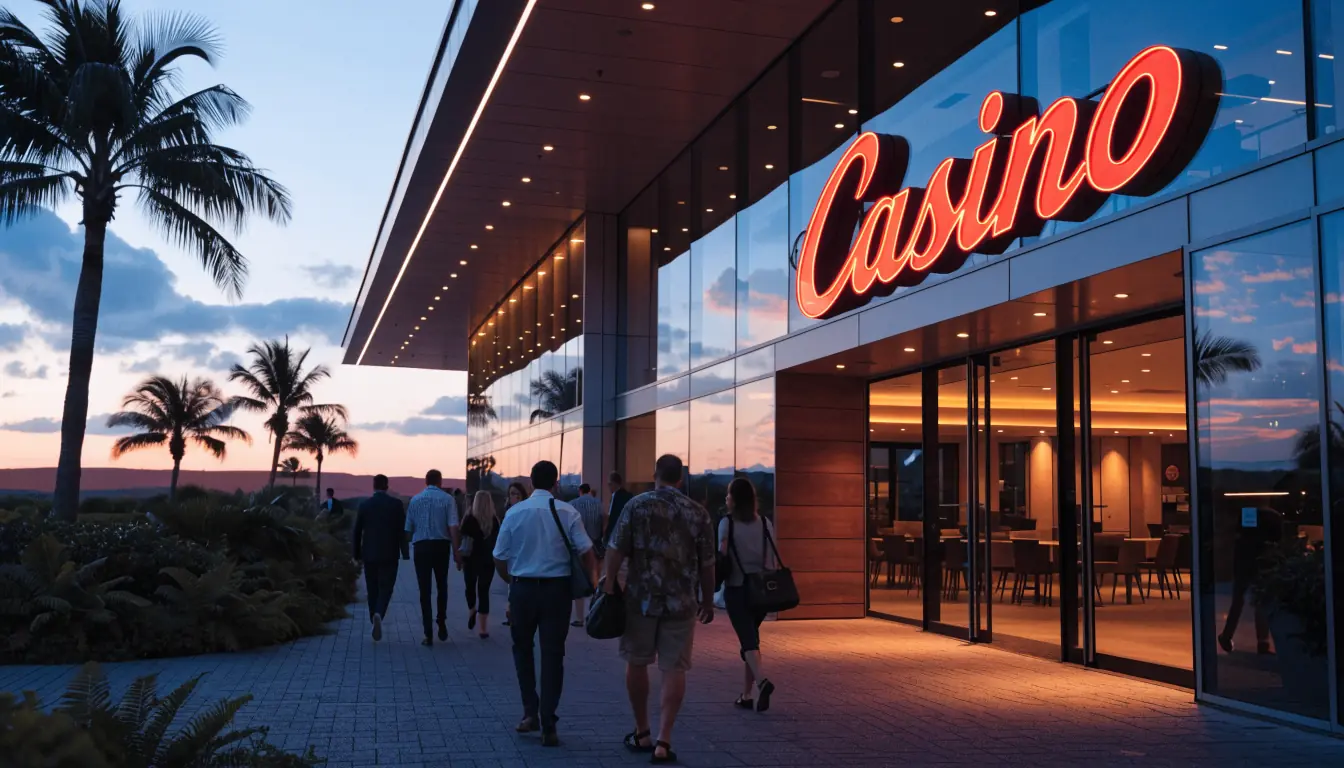
Below that sits the all-day bistro or grill — the workhorse. It opens early, closes late, and prices itself so that a poker player in the middle of a session does not have to decide between eating and playing. This is the venue the operator actually counts on for volume. The "signature restaurant" gets the press; the bistro pays part of the electricity bill.
Then there is the quick-service tier. I’ll leave the food-court specifics to the section that covers them directly, but the point worth making here is structural: every layer exists to shorten the distance between being hungry and being back on the floor. That is the design principle, and it is not a secret — it is just never said out loud in the marketing.
What surrounds the property
The area around a casino in a Tasmanian city tells a different story. Hobart and Launceston both have restaurant scenes that compete directly with the casino’s in-house options, and honestly, on many nights they win. Waterfront dining, small independent kitchens, and established local favourites are within a short drive or walk of the gaming properties, and the pricing outside the complex is frequently friendlier.
From the operator’s side, this is a nuisance. When a guest leaves the building for dinner, the casino loses the evening. That is why in-house restaurants position themselves around convenience — no booking friction, no driving, no decision fatigue — rather than around being the best table in town. Some nights that pitch works. The nights it doesn’t, the neighbouring restaurants do well.
How to read the menu
The practical takeaway is simple. Treat the in-house restaurants as convenience products, judged on that basis. Treat the surrounding precinct as the place for a proper meal, and check it before assuming the casino is the only option in the neighbourhood.
One thing worth saying plainly: the food offering is an amenity, and no amount of culinary polish changes what the building’s core business is. A good dinner is a good dinner. It is also, from the operator’s chair, a retention tool.
Know which one is on the plate.

Wellness and Spa Services at Tasmanian Casinos
Tasmania’s two casino properties — Wrest Point in Hobart and Country Club in Launceston — are not spa resorts in the way the marketing sometimes implies. That distinction matters, because a visitor who books expecting a full wellness retreat tends to be the one writing the disappointed review afterward.
Wrest Point sits on the Derwent with a pool, a gym and waterfront views that do most of the "wellness" work. Country Club Casino is built around golf, lake grounds and a leisure centre rather than a treatment-focused day spa. Neither property has operated a destination spa with an extensive treatment menu comparable to what mainland integrated resorts advertise. Where "spa" appears in Tasmanian casino-adjacent bookings, it usually means either in-house facilities — pool, sauna, gym access — or a partnership with a local day spa in Hobart or Launceston that handles the massage and facial side separately.
I’ve watched this pattern from the operations end: the hotel side sells "relaxation" because it’s cheap to promise, and the actual delivery is a pool and a quiet room. That’s not a scam, but it is a gap between brochure and building.
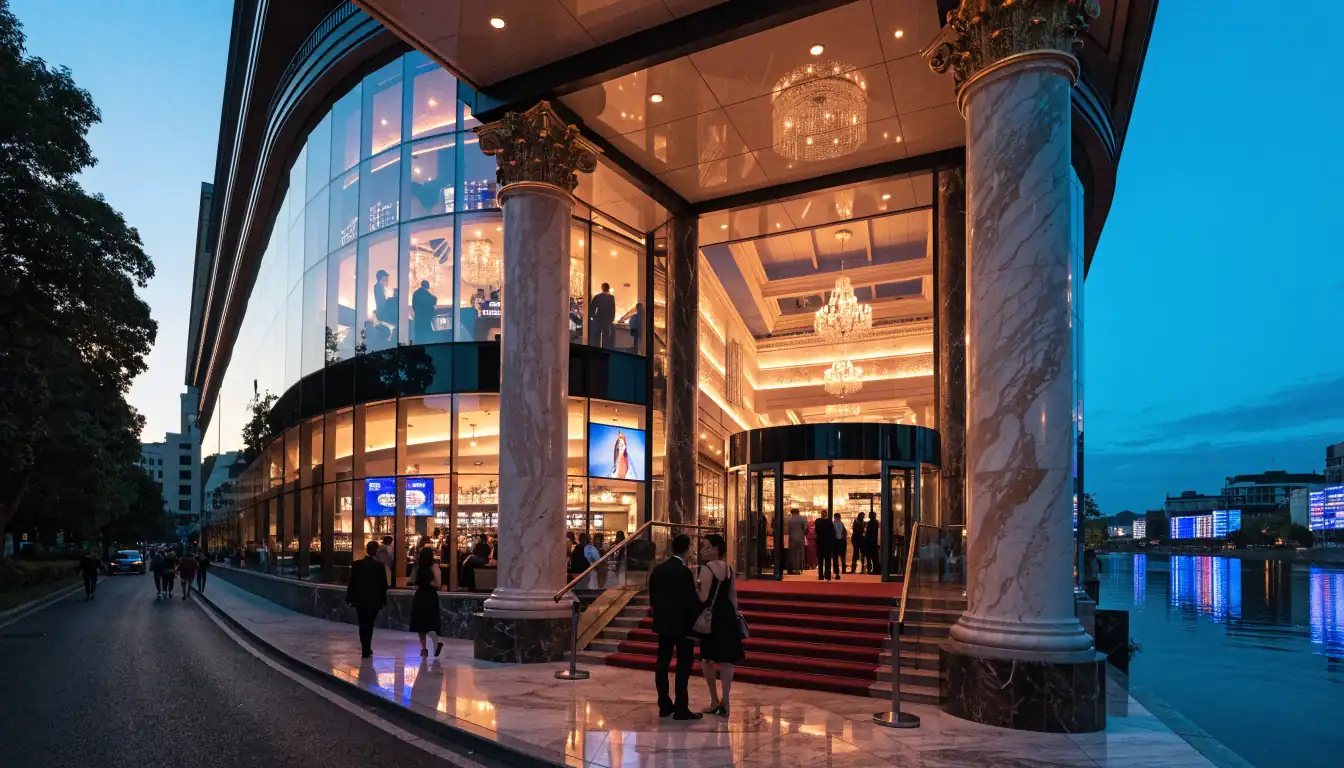
What the query "casino day spa Tasmania" actually returns
Searches for a "casino day spa" in Tasmania mostly surface independent day spas located near the casino precincts, not spas run by the casinos themselves. Hobart’s waterfront and Launceston’s city centre both have established operators within a short drive of the respective casino entrances. Anyone booking treatments should confirm directly whether the spa is part of the casino complex or a standalone business — the addresses can look almost identical on a booking page.
Practical notes for a spa-and-casino trip
- Age rules. Casino floor access requires being 18 or older. Pool and gym areas attached to the hotels generally follow hotel policy rather than gaming rules, but treatment bookings at external day spas set their own terms.
- Dress code overlap. The casinos enforce a neat-casual standard in bars and restaurants in the evenings; spa wear doesn’t travel. Pack for two different visits, not one.
- Book treatments separately from the room. Casino hotel packages in Tasmania bundle dining far more often than they bundle spa services, because the spa inventory often isn’t theirs to bundle.
A note on the online side
Wellness marketing is now migrating to gambling apps and offshore sites — "relax, unwind, play" — and Australian law is blunt about that framing. Offering real-money online casino games to Australian residents is prohibited under the Interactive Gambling Act 2001, so any offshore platform promising a "spa-like" relaxing casino experience at home is operating outside what any domestic licence allows. Individual players aren’t the target of that law; the operators are.
The honest summary: Tasmania offers genuine relaxation — water, mountains, quiet — and its casinos offer a comfortable base for it. The spa is usually a phone call away, not a lift ride downstairs.
Food Courts and Pool Areas
Casual eating at a Tasmanian casino is a different product from the restaurants on the same property. A food court exists for one reason: keeping people on the floor. Nobody leaves a table mid-session to sit through a full-service dinner, so the grab-and-go options — quick snacks, coffee, light meals — are positioned close to the action. From the operator’s side this is pure economics: every exit for food is a chance the player doesn’t come back. Convenience here is a retention tool, not hospitality.
Pools sit on the accommodation side of the business. They belong to the hotel attached to the casino, not the gaming floor, and access typically follows the hotel’s rules rather than the casino’s. That distinction matters in practice — a pool area can be quieter, family-oriented, and entirely free of gambling activity, which is exactly why some visitors use it. A swim between sessions or a morning by the water has nothing to do with the tables or the pokies.
One thing worth being clear about: none of this extends online. Domestic online casino gambling cannot be licensed in Australia, so the food, the pool and the floor itself are physical experiences only. Snacks and swimming require a trip to the venue. No app replicates them.
Prepared by the Casino Mobile Guide editorial staff.